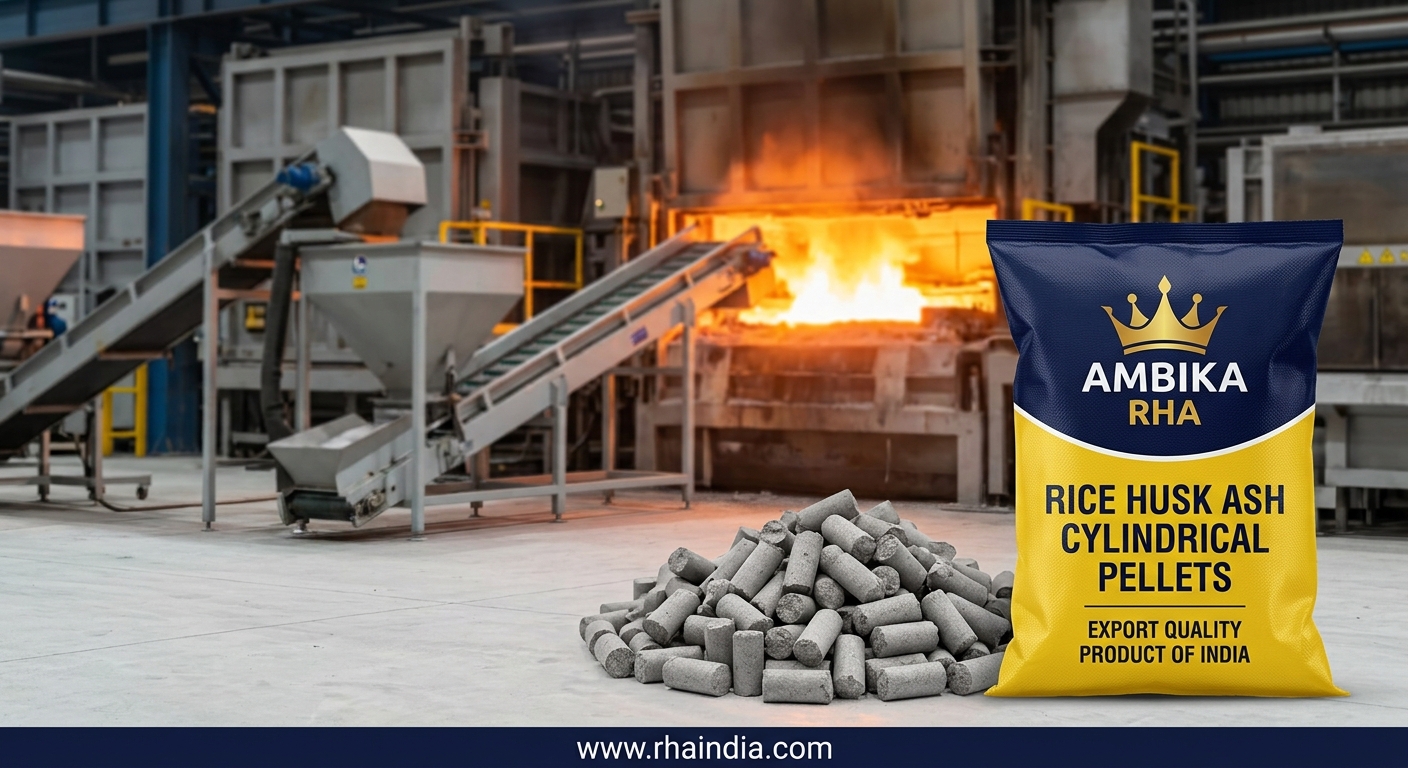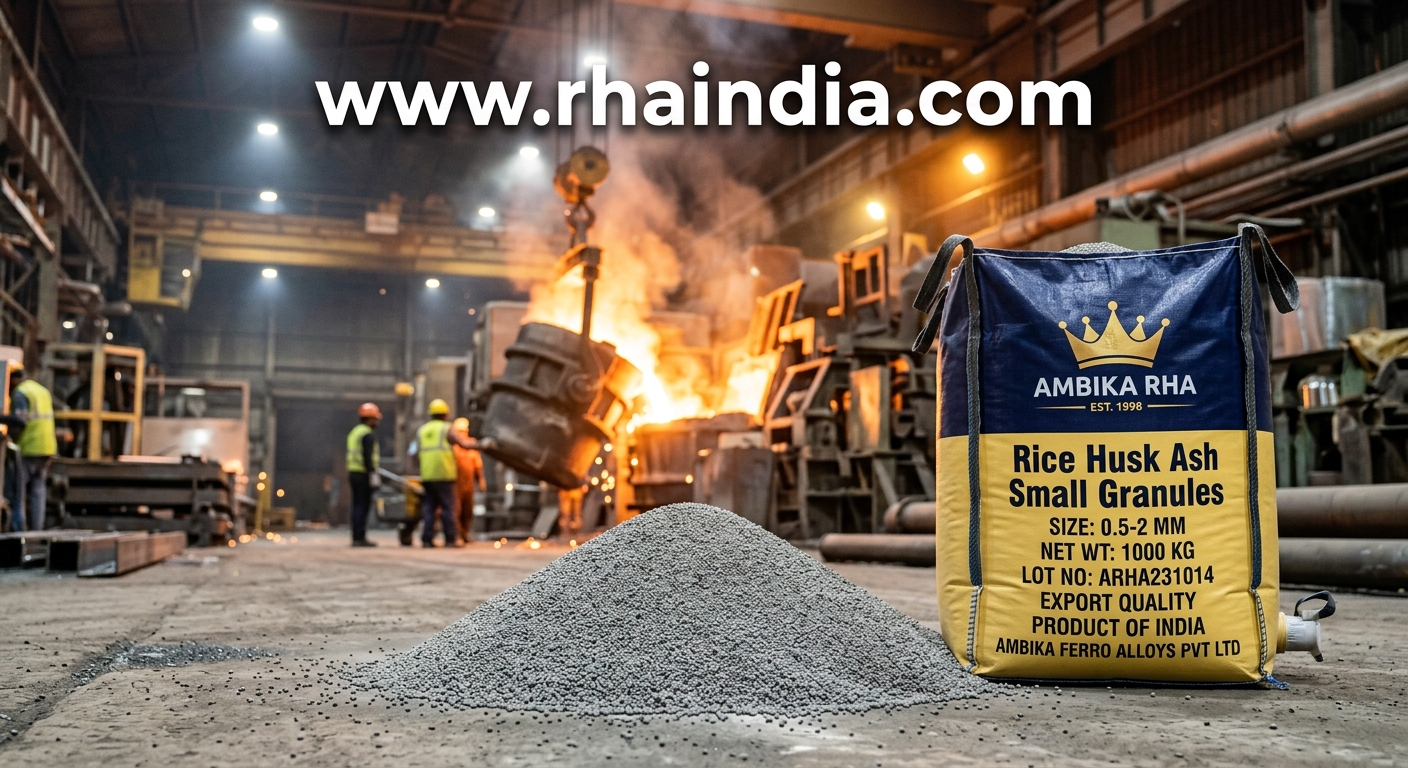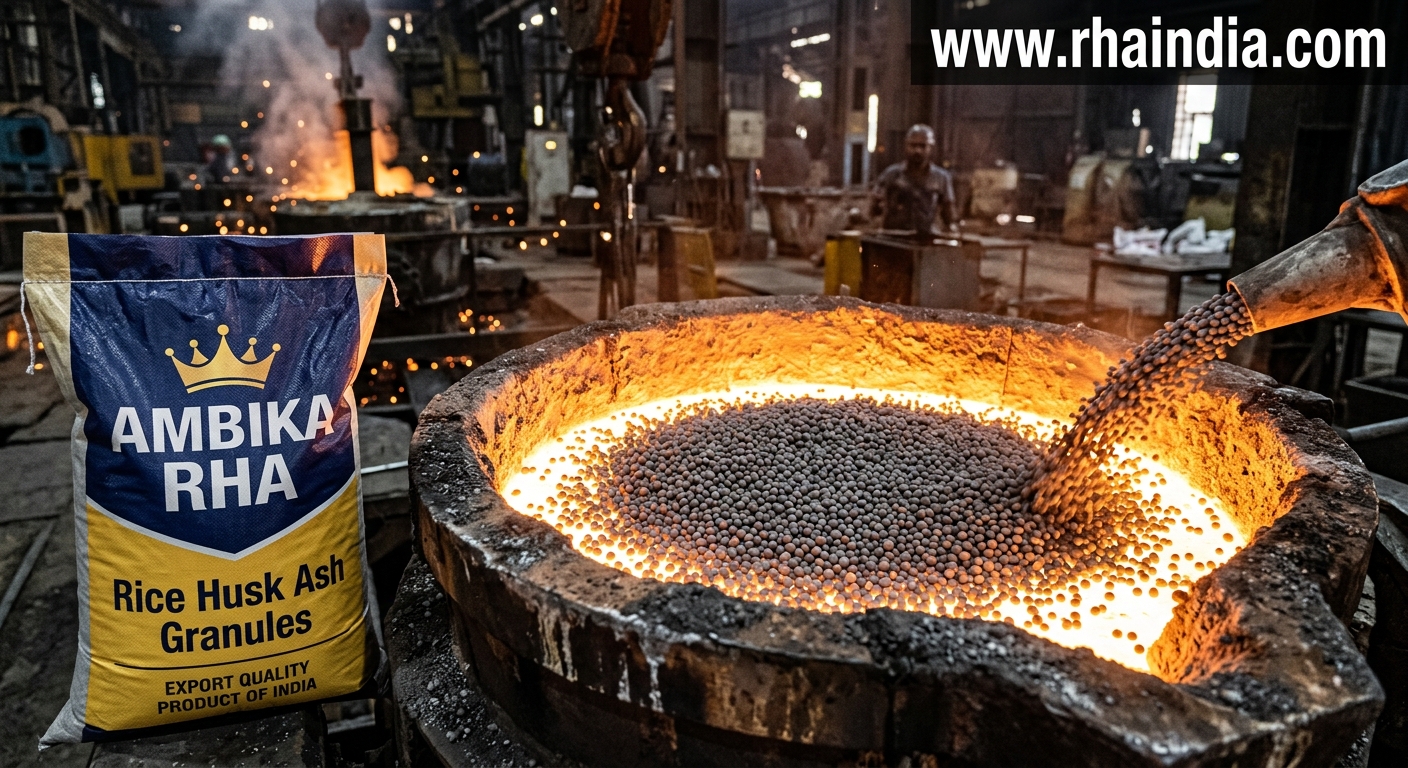
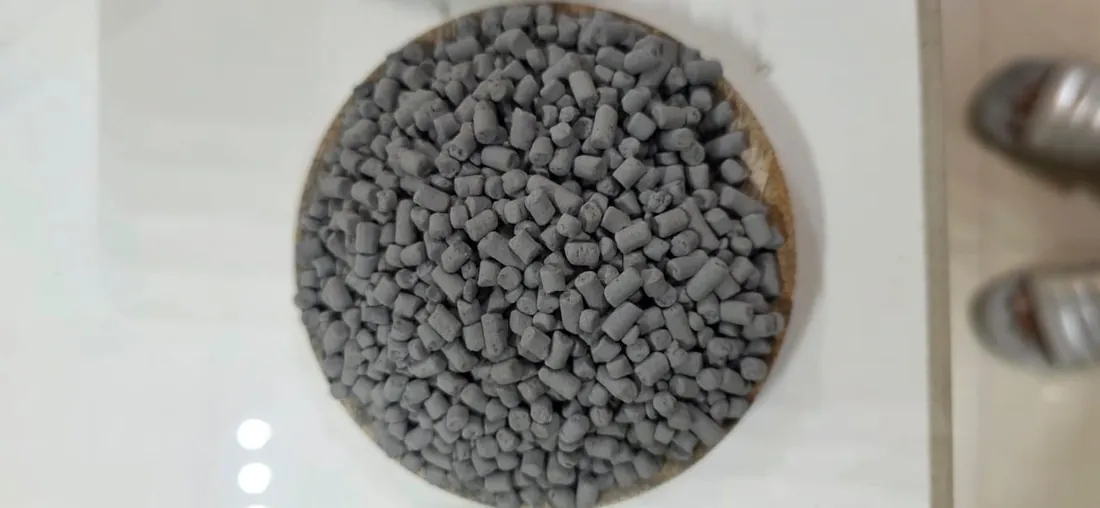
Refractory formulators value rice husk ash as a high-purity, low-cost source of amorphous silica for insulating castables and linings. To get consistent performance, specify the order carefully. Use this checklist.
1. Silica content & purity
Confirm the SiO₂ percentage and the level of impurities (alkalis and iron in particular), since these affect refractoriness and the service temperature of the finished lining.
2. Crystallinity
For refractory and pozzolanic use alike, amorphous silica is preferred. Ask whether the ash is amorphous and how combustion temperature is controlled, as over-burning shifts silica to crystalline forms.
3. Particle size & form
Decide whether you need fine ground powder, granules or pellets, and specify the size distribution. Form affects packing density, dust and how the material disperses in a castable.
4. Moisture & LOI
Low moisture and low loss-on-ignition keep the material clean and predictable. High LOI (unburned carbon) can interfere with high-temperature service.
5. Packing & logistics
Confirm packing (25/50 kg bags or jumbo bags), MOQ, lead time and — for export — full documentation. Consistent packing matters for automated handling.
6. Documentation & consistency
Insist on a NABL-tested data sheet and ask about batch-to-batch variation. The most common refractory complaint is not a single bad number, but a spec that drifts between deliveries.
Tip: lock the agreed parameters into the purchase order so every delivery is checked against the same benchmark.
Get these six points right and refractory-grade RHA becomes a reliable, economical part of your formulation.
Need RHA to a verified spec?
Get NABL-tested, high-silica RHA with documentation. Tell us your volume and target spec.